From “frequent replacement” to “full-life service”
Lithium iron phosphate (LiFePO4) batteries represent a dual breakthrough in materials science and power control for start-stop applications. Here is what actually changes when you swap the century-old lead-acid design for lithium — and the measured curves behind the claims.
What is a LiFePO4 start-stop battery? A lithium iron phosphate battery is a rechargeable lithium-ion battery whose cathode uses an olivine-structure LiFePO4 material. In a 12 V automotive format (12.8 V nominal), it starts the engine, supports the start-stop system, and powers vehicle electronics — as a direct, same-size replacement for a conventional, EFB or AGM lead-acid battery, at up to 70% less weight and with 3–5× the cycle life.
A cathode that barely ages
The lithium iron phosphate cathode has a stable olivine crystal structure that undergoes minimal structural change during charging and discharging. The result is exceptional cycle durability: more than 3,000 cycles at 50% depth of discharge, where conventional lead-acid start-stop batteries typically manage 300–500 cycles and AGM batteries reach about 800.
The same chemistry is also the reason for its safety margin — LiFePO4 does not begin thermal decomposition until above 500 °C, roughly three times the 120–150 °C threshold of lead-acid designs.
A BMS that manages every cell
Every ORYXON battery integrates an intelligent battery management system (BMS) that monitors voltage, current and temperature in real time, providing multiple protections against over-charging, over-discharging, overheating and short circuits.
- Balanced management keeps cells equalised for consistent performance
- Re-Start technology reserves energy for emergency starts even at low charge
- Bluetooth + free app (iOS & Android) for live health monitoring
Core technological advantages, compared
| Technical specification | LiFePO4 start-stop battery | Lead-acid start-stop battery | Technological comparison |
|---|---|---|---|
| Cycle life | 3,000+ cycles | 300–500 cycles | 3–5× improvement |
| Energy conversion efficiency | ≥95% | 60–70% | 40% reduction in power loss |
| Cranking amps (CCA) | 1,200–1,800 A | 400–600 A | More powerful starting capability |
| Thermal decomposition temperature | ≥500 °C | 120–150 °C | 3× higher safety |
Cycle life data measured at 50% depth of discharge under standard operating conditions; actual performance varies with environment and vehicle usage. AGM batteries can reach up to ~800 cycles.
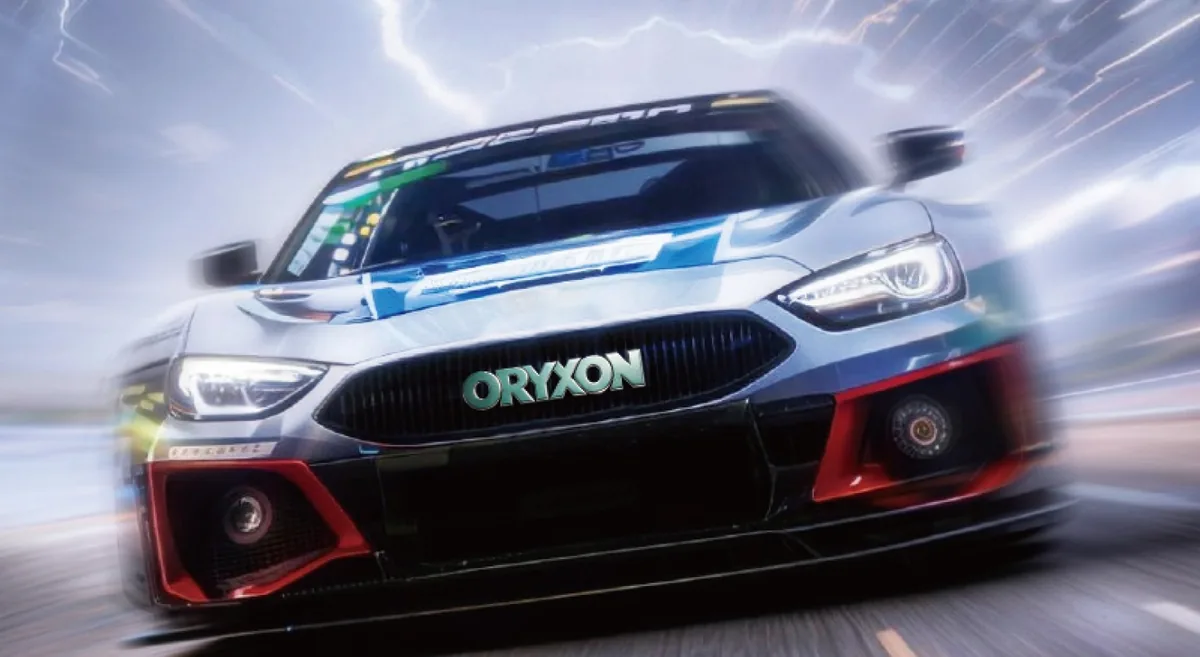
Less weight. Less waste.
At equivalent capacity, an ORYXON battery weighs up to about 70% less than the lead-acid battery it replaces — weight your engine no longer carries. And with ≥95% energy conversion efficiency (versus 60–70% for lead-acid), less energy is lost as heat during every charge-discharge cycle, indirectly improving fuel economy.
The chemistry is also free of lead and cadmium, generating less pollution in production and disposal, with recyclable materials that support the automotive industry’s sustainability goals.
Performance characteristics
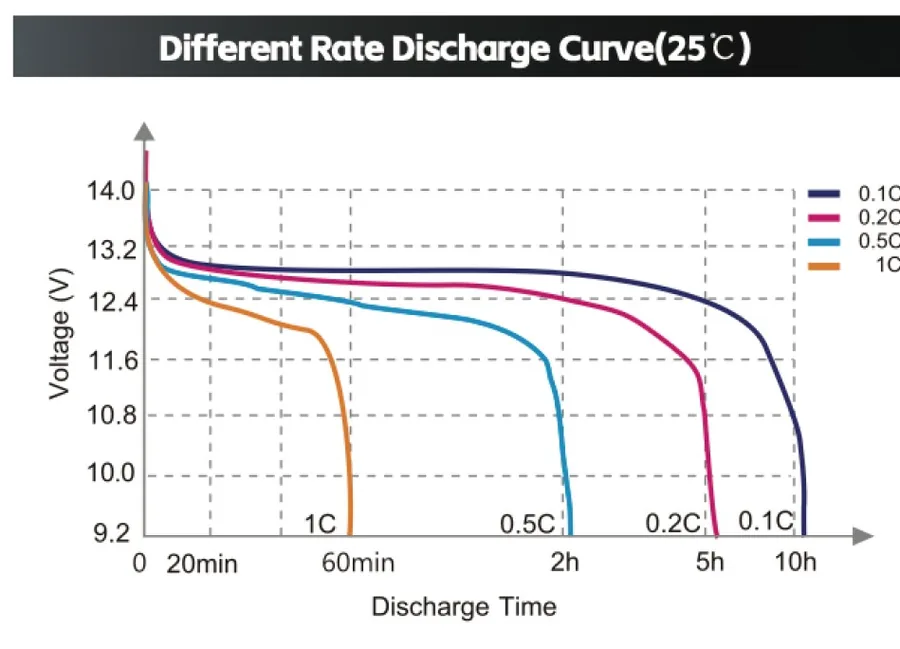
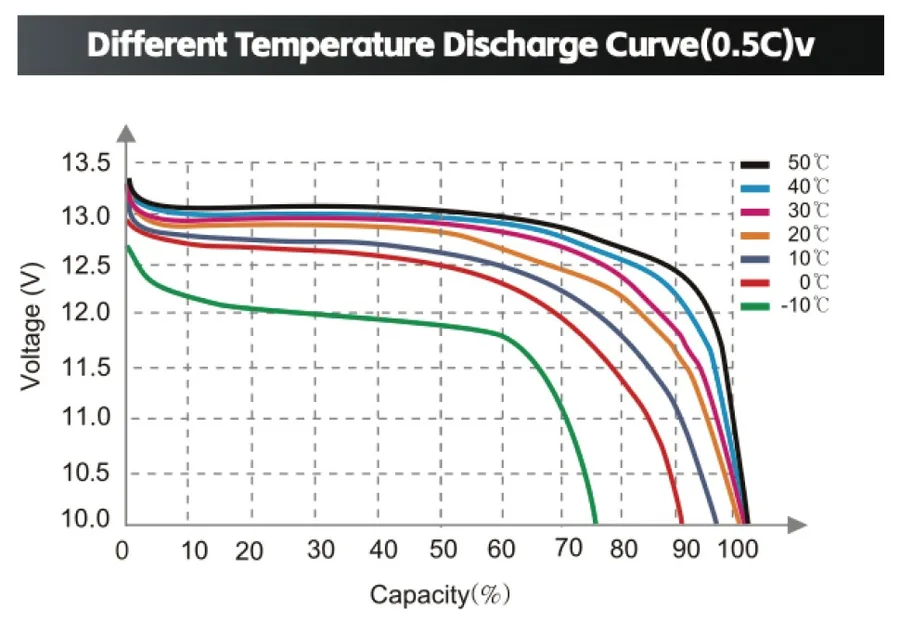
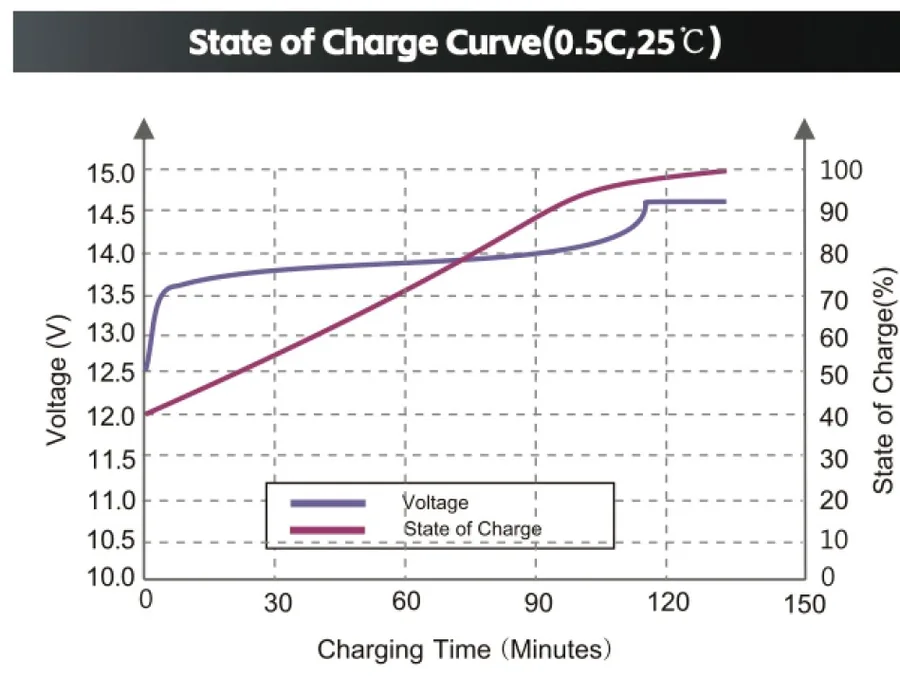
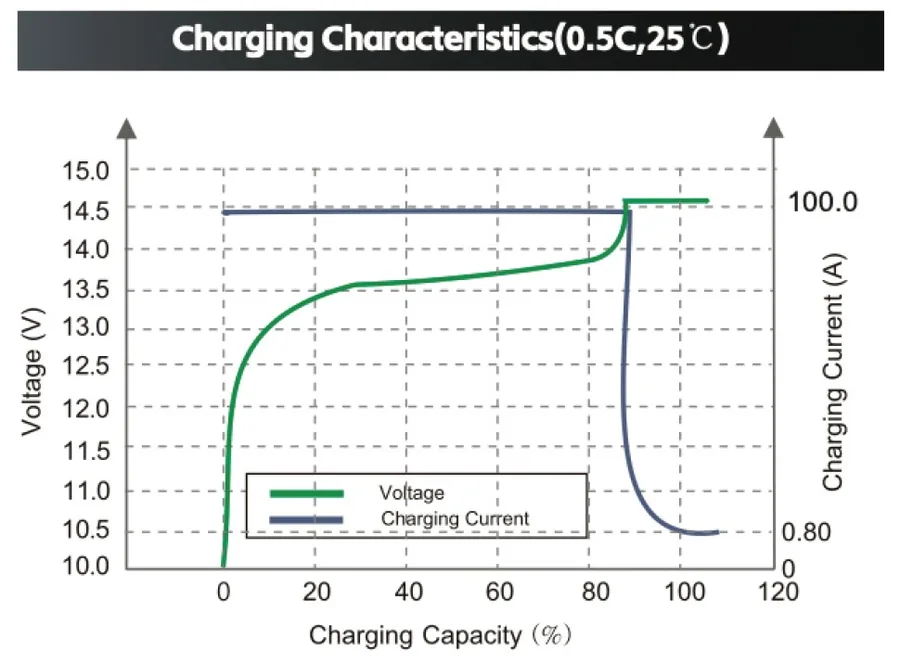
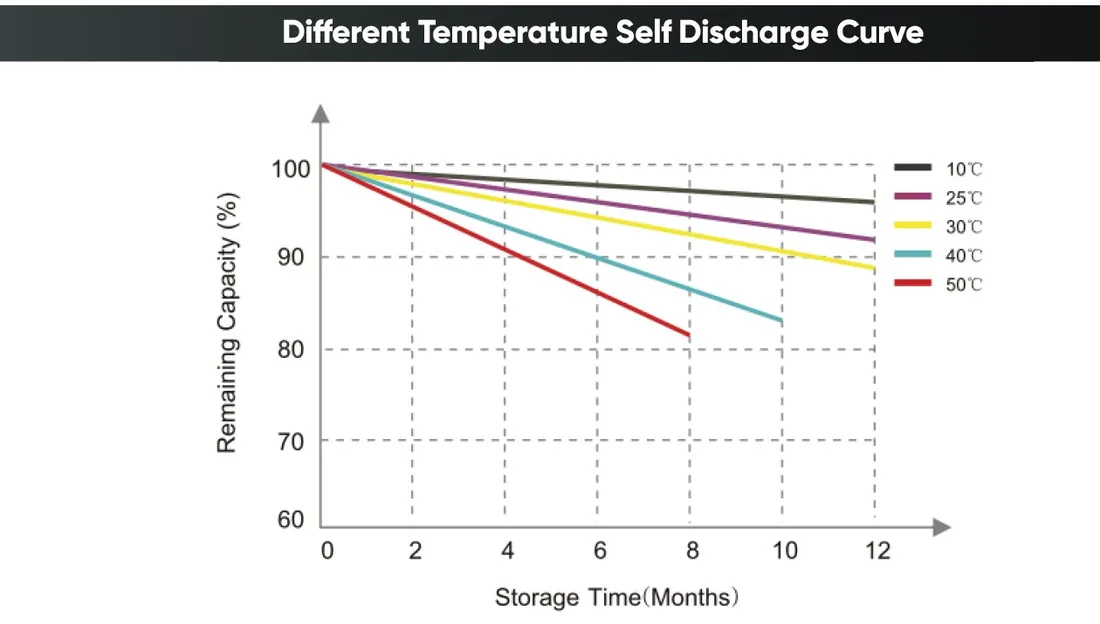
Manufacturer test curves for the ORYXON Performance Pro-Series: discharge behaviour across load rates and temperatures, charge profile, and self-discharge over storage time.
All information may be changed without prior notice; ORYXON reserves the right to update the latest information.
See the technology in your size
Thirteen models across JIS and DIN cases — all with the same chemistry, BMS and certifications.